How to use free printable worksheets effectively
These free printable 1st-Grade addition worksheets are easy to use and versatile. You can use them in different ways depending on your teaching goals and your student's needs.
Here are some suggestions on how to use them effectively:
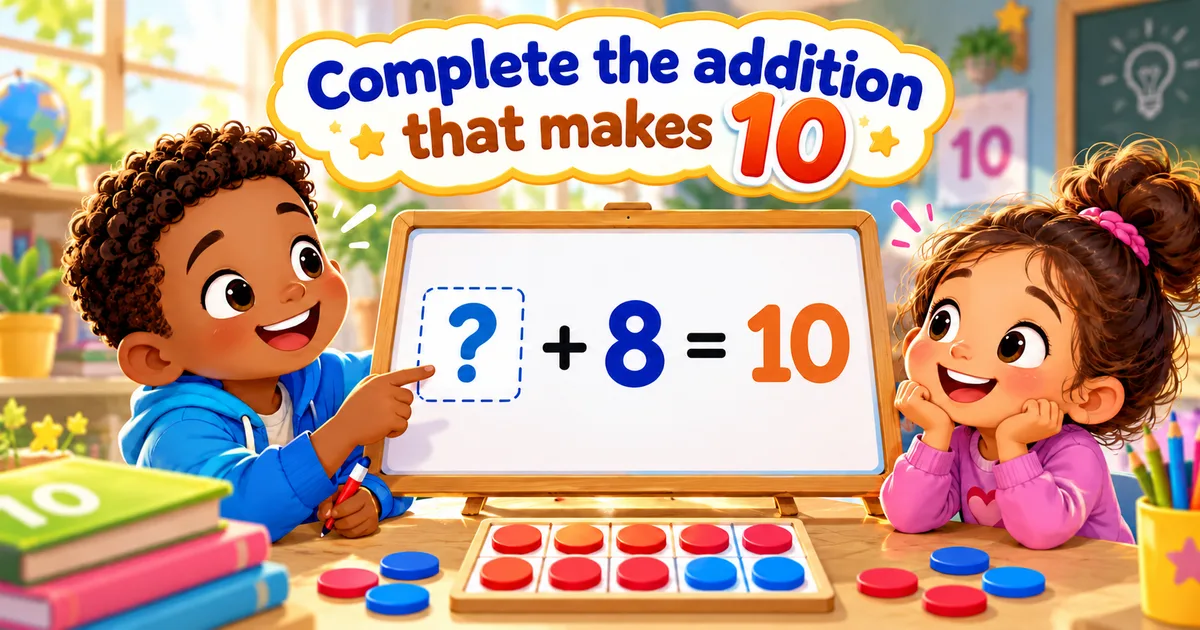
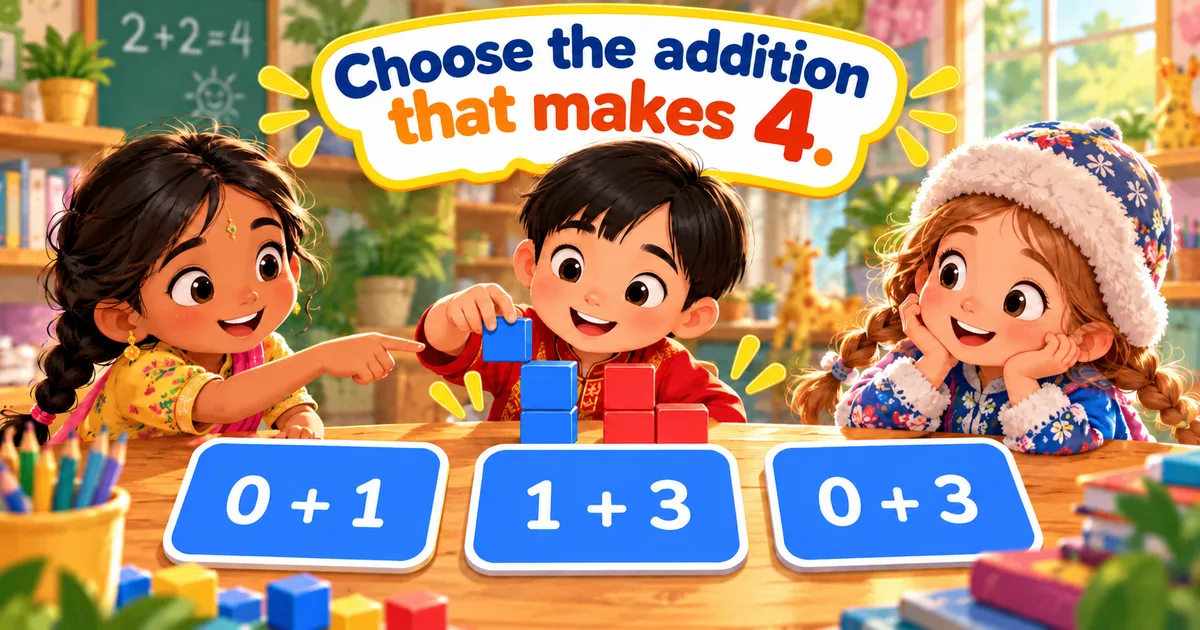
Make a number by using addition
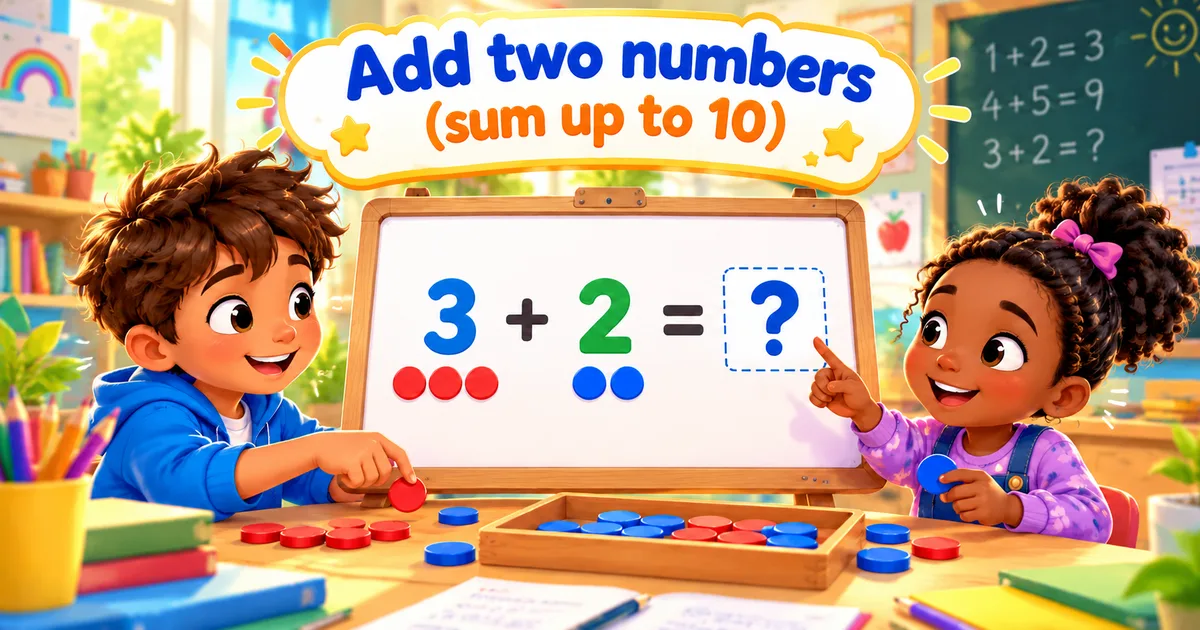
This worksheet helps students practice making different numbers by using addition. For example, they can make 10 by adding 5 + 5, 6 + 4, 7 + 3, etc. This activity helps students develop their number sense and fluency in adding single-digit numbers.
To use this worksheet, you can ask your students to write as many ways as they can think of to make a given number using addition. You can also give them a time limit or a challenge to see who can write the most ways. You can also vary the numbers that you give them to make it easier or harder.
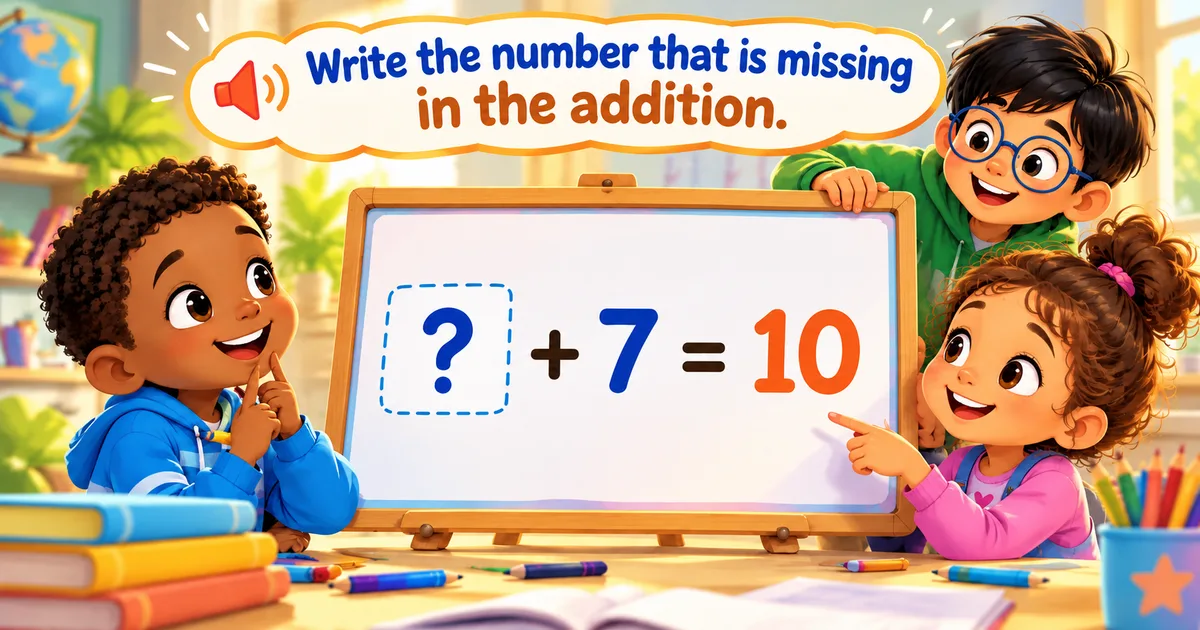
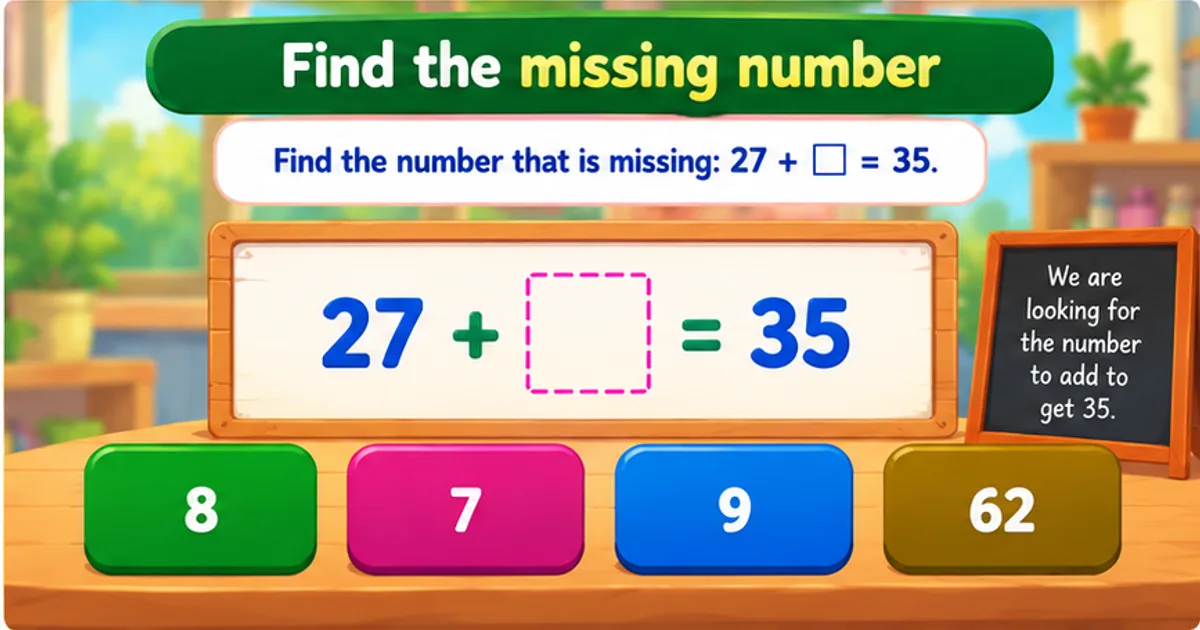
Complete addition sentences: Fill in the missing number
This worksheet helps students practice completing addition sentences by filling in the missing number. For example, they have to fill in the blank in 4 + _ = 9. This activity helps students practice their mental math and recall the basic addition facts.
To use this worksheet, you can ask your students to fill in the blanks with the correct number. You can also ask them to check their answers by using the inverse operation of subtraction. For example, they can check if 4 + 5 = 9 by subtracting 5 from both sides and seeing if they get 4 = 4.
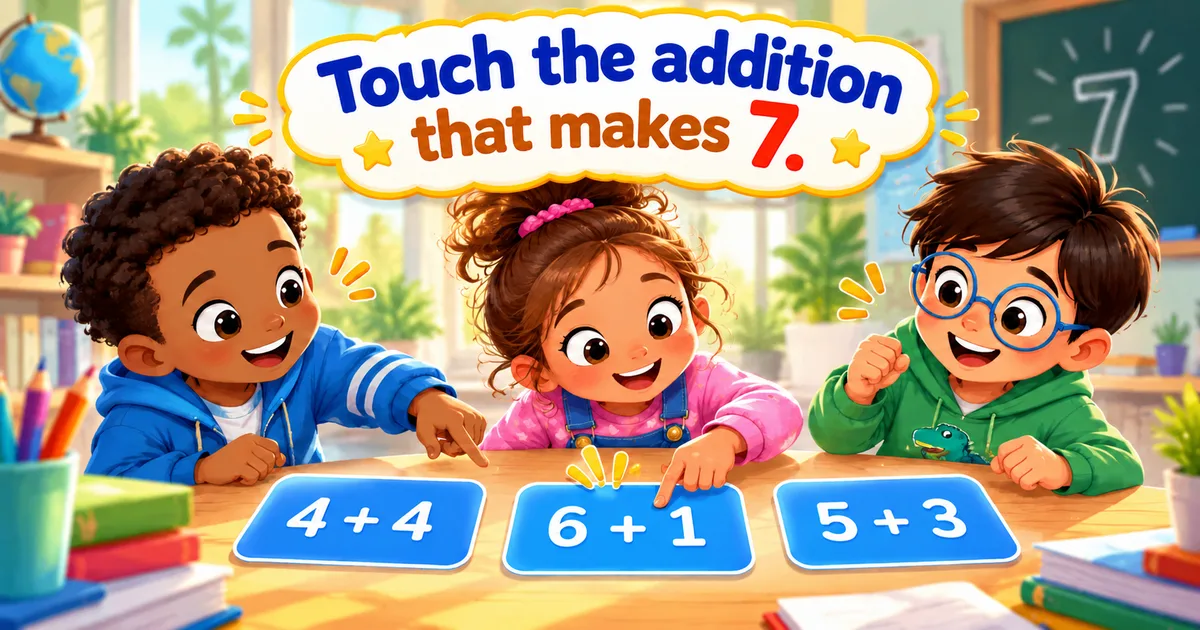
Write different ways to make numbers with addition
This worksheet helps students practice writing different ways to make numbers with addition. For example, they can write that 12 can be made by adding 6 + 6, 7 + 5, 8 + 4, etc. This activity helps students explore the commutative property of addition and the different combinations of addends that can make a sum.
To use this worksheet, you can ask your students to write as many different ways as they can think of to make a given number with addition. You can also give them a time limit or a challenge to see who can write the most ways. You can also vary the numbers that you give them to make it easier or harder.
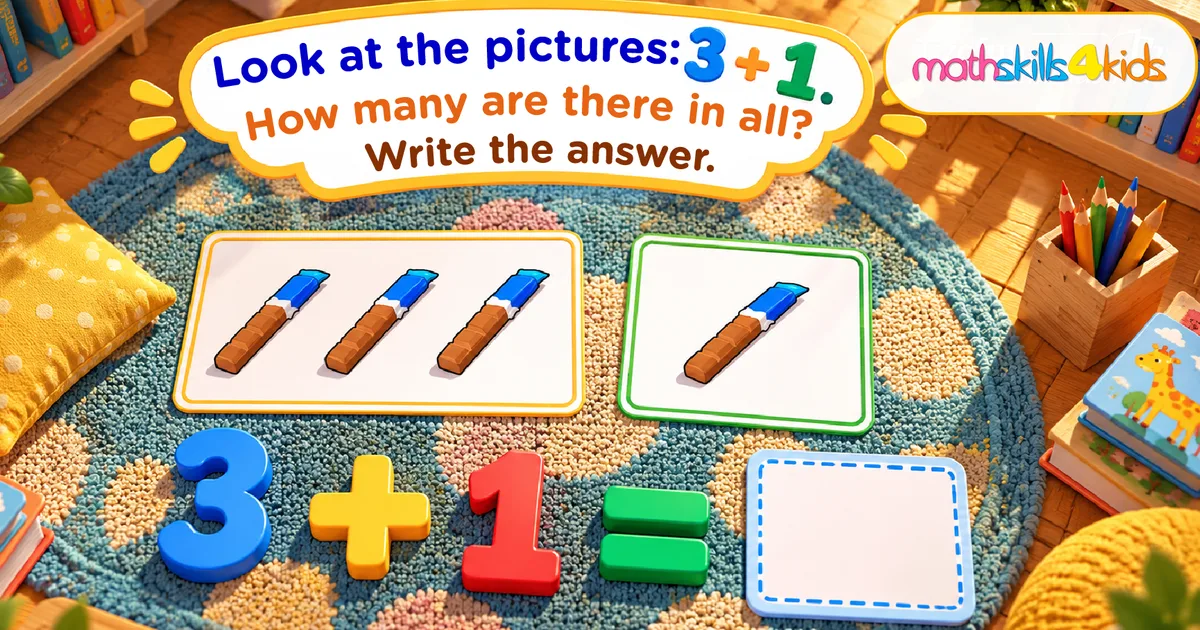
Adding single-digit numbers
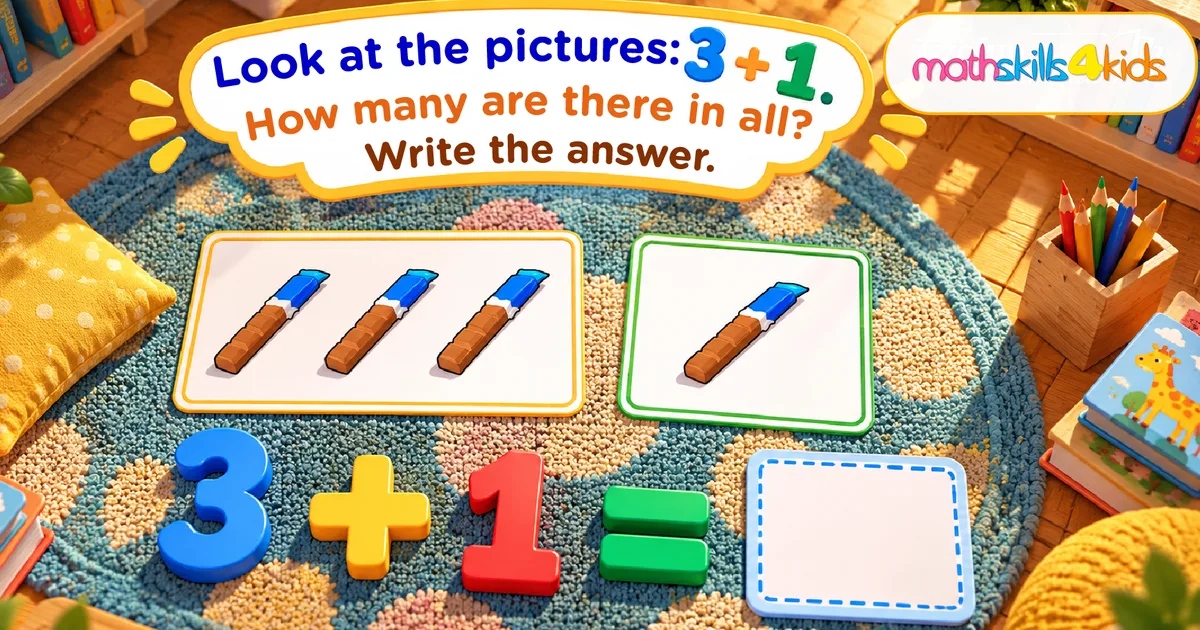
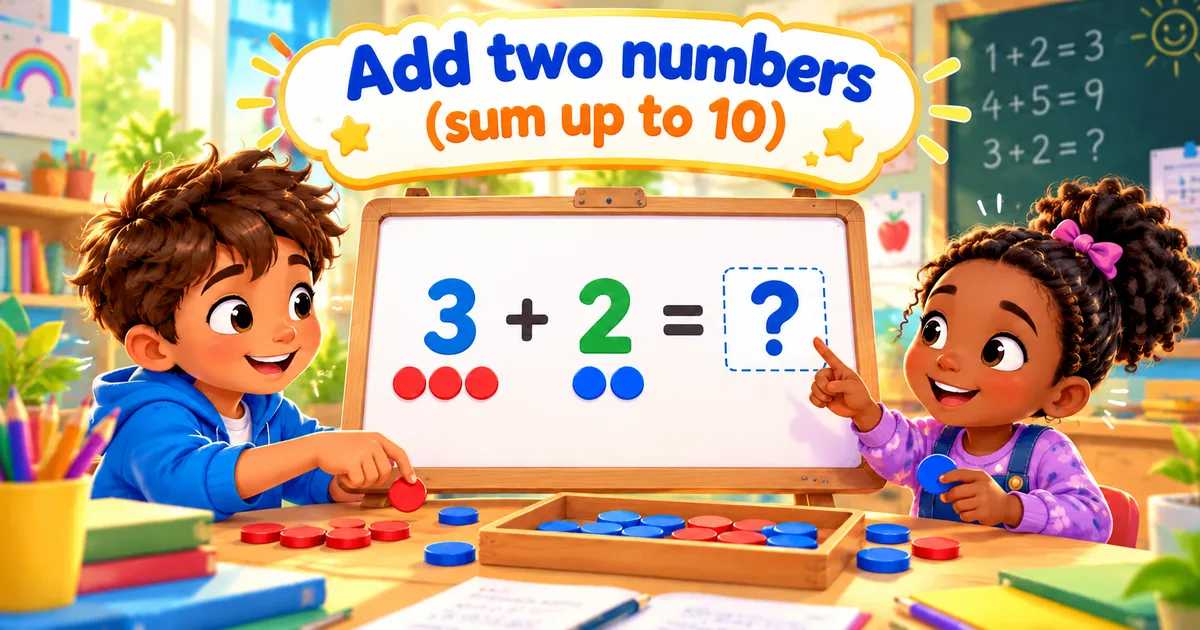
This worksheet helps students practice adding single-digit numbers. For example, they have to add 3 + 4 = ?. This activity helps students review and reinforce their basic addition facts and strategies.
To use this worksheet, you can ask your students to solve the addition problems and write the answers. You can also ask them to show their work or explain their thinking using pictures, words, or symbols. You can also ask them to use different strategies such as counting on, making ten, using doubles, etc.
Adding 2-digit numbers
This worksheet helps students practice adding two-digit numbers without regrouping or carrying over. For example, they have to add 23 + 15 = ?. This activity helps students extend their addition skills to larger numbers and learn how to align the place values correctly.
To use this worksheet, you can ask your students to solve the addition problems and write the answers. You can also ask them to show their work or explain their thinking using pictures, words, or symbols.
You can also ask them to use different strategies, such as breaking apart the numbers into tens and ones, using a number line, etc.
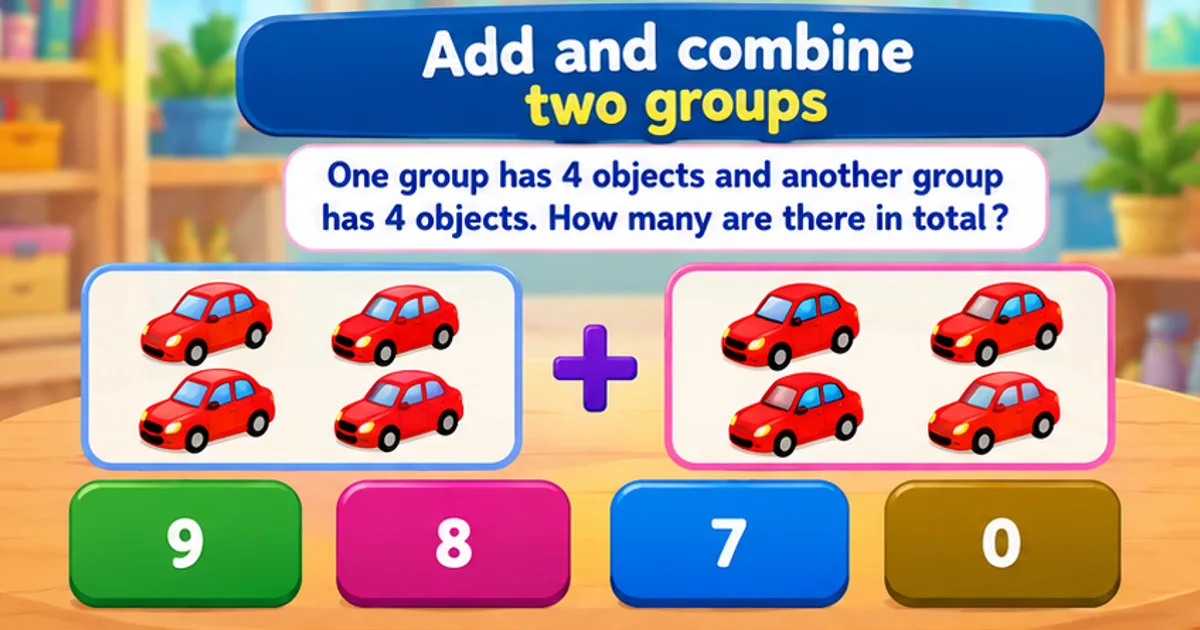
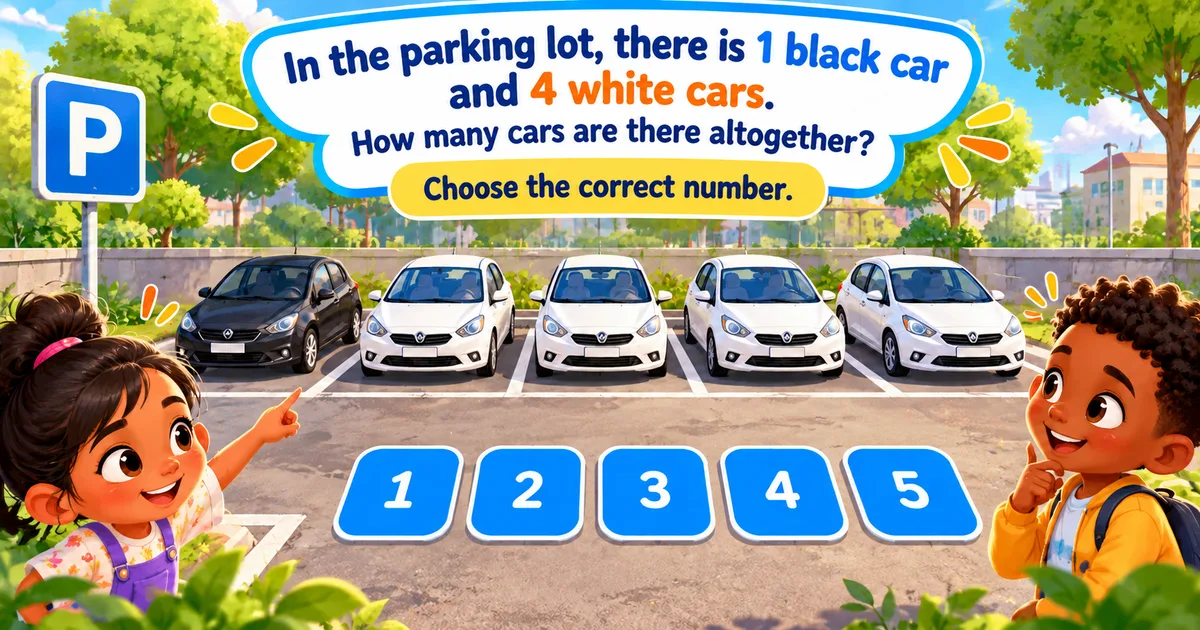
Addition word problems
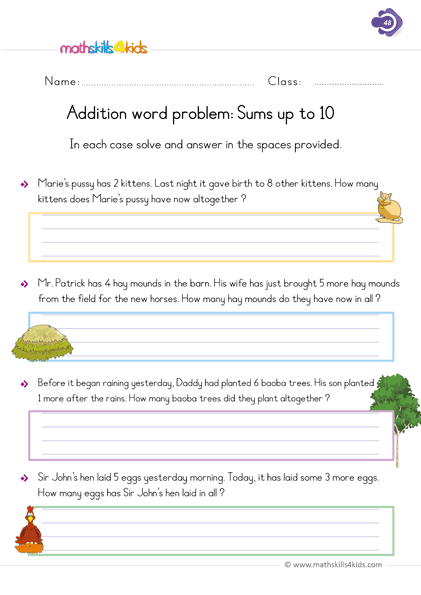
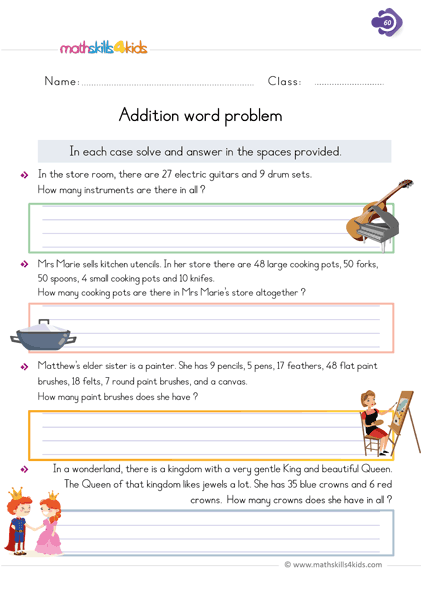
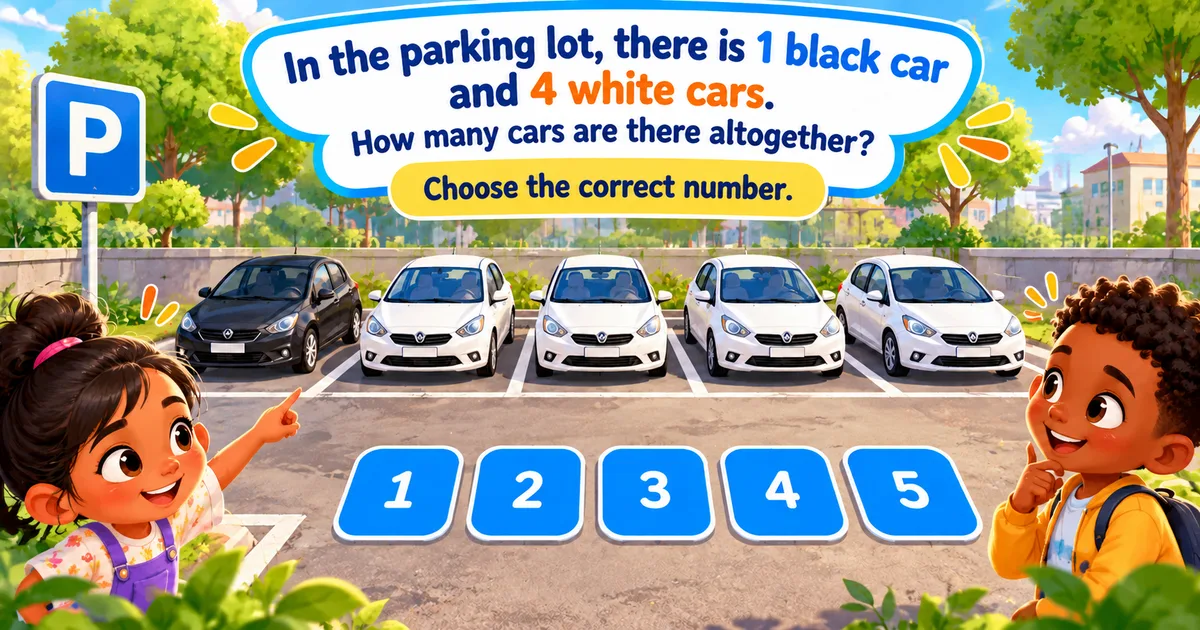
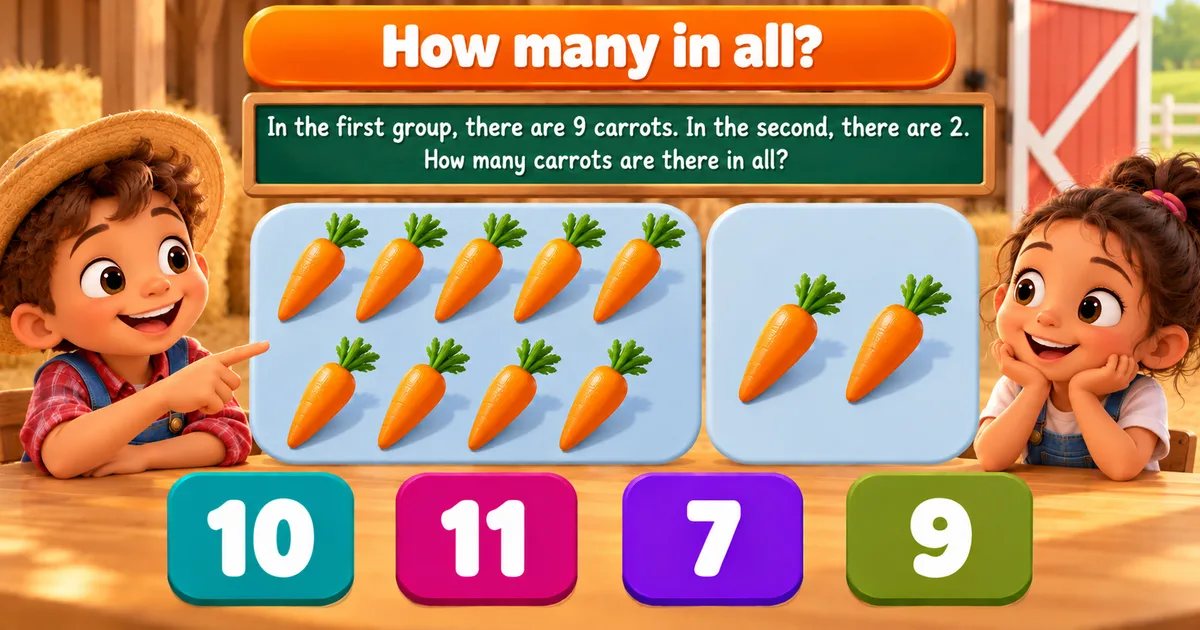
This worksheet helps students practice solving word problems involving addition. For example, they have to solve a problem like "Anna has 8 apples, and Ben has 7 apples. How many apples do they have together?". This activity helps students apply their addition skills to real-world situations and problems.
To use this worksheet, you can ask your students to read the word problems carefully and identify the important information and keywords. You can also ask them to write an equation that represents the problem using variables or symbols.
Moreover, you can ask them to solve the equation and write the answer in a complete sentence. Above all, you can ask them to check their answer by using logic or estimation.
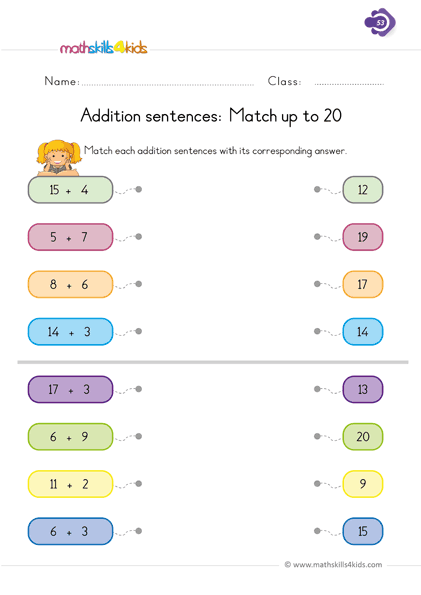
Matching addition sentences with solutions
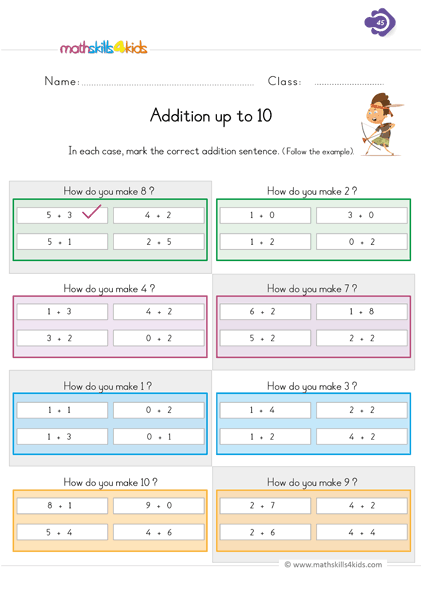
This worksheet has two columns of addition sentences and solutions. Your child have to match each sentence with its correct answer by drawing a line.
To make it more fun, you can cut out the sentences and solutions and mix them up. Then, have your child sort them into pairs and glue them on a separate sheet of paper.
Addition sentences
True or False: This worksheet has a series of addition sentences that are either true or false. Your child have to circle the correct answer for each one. To make it more challenging, you can ask your child to explain why each sentence is true or false. For example;
"2 + 3 = 6 is false because when you add 2 and 3, you get 5, not 6."