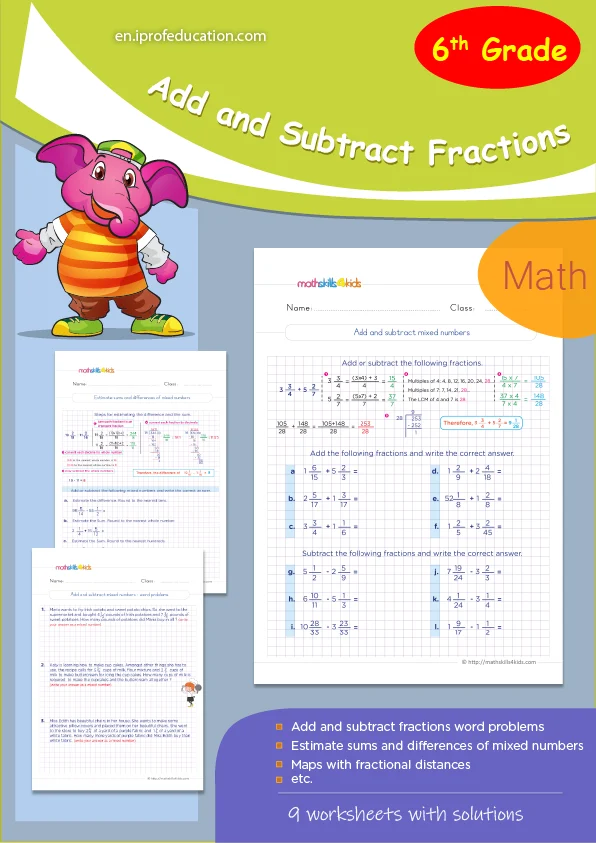
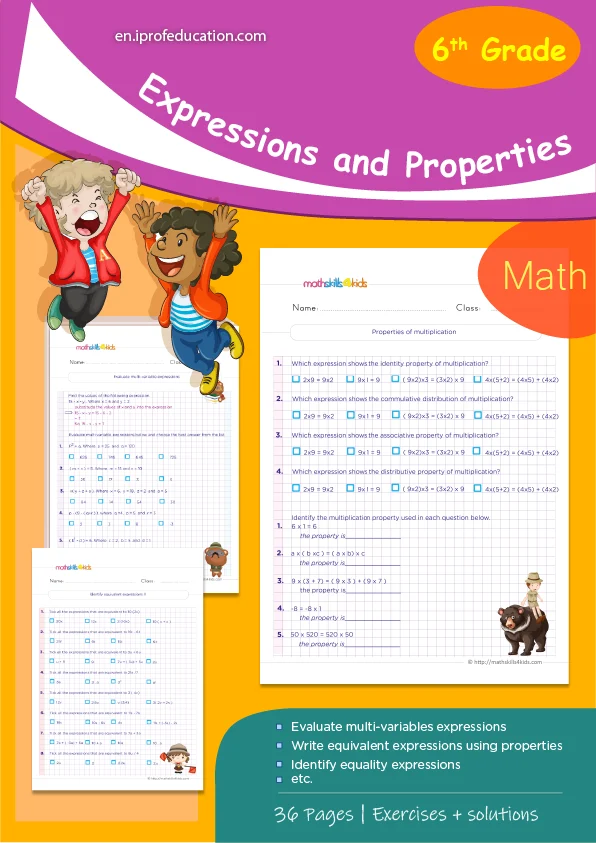
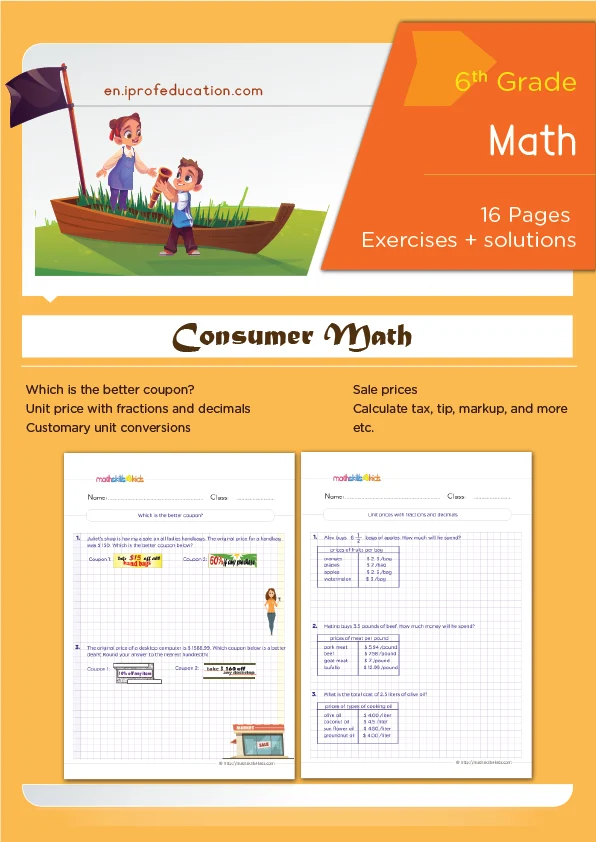
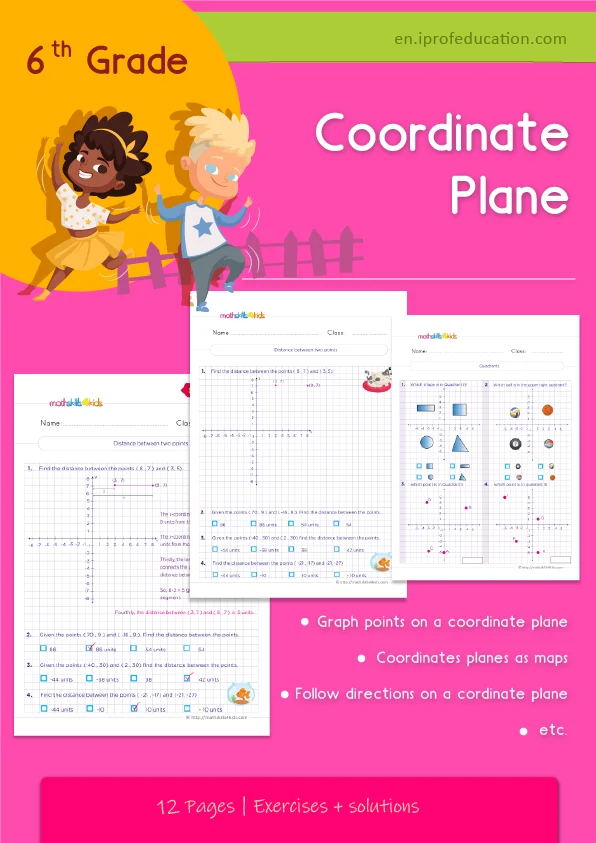
Sample activities and exercises included in logical reasoning worksheets pdf for Grade 4
Logical reasoning worksheets pdf for Grade 4 include engaging activities and exercises to stimulate critical thinking and problem-solving abilities. Here are more examples:
- Pattern recognition: Children are presented with shapes or numbers and asked to identify the underlying pattern. This activity enhances their ability to recognize and analyze patterns, a key skill in logical reasoning.
- Analogies: Children are given pairs of numbers and asked to identify the relationship between them. This exercise develops their ability to identify and understand relationships, an essential aspect of logical reasoning.
- Brain teasers and riddles: These activities challenge children to think creatively and critically to solve puzzles and riddles. They encourage children to consider multiple perspectives and come up with innovative solutions.
- Logical puzzles: Children are presented with logical problems that require them to use deductive and inductive reasoning to find the correct solution. These puzzles enhance their ability to analyze information, make connections, and arrive at logical conclusions.
Here are some examples of the activities and exercises that you can find in MathSkills4Kids’ logical reasoning worksheets Grade pdf for 4:
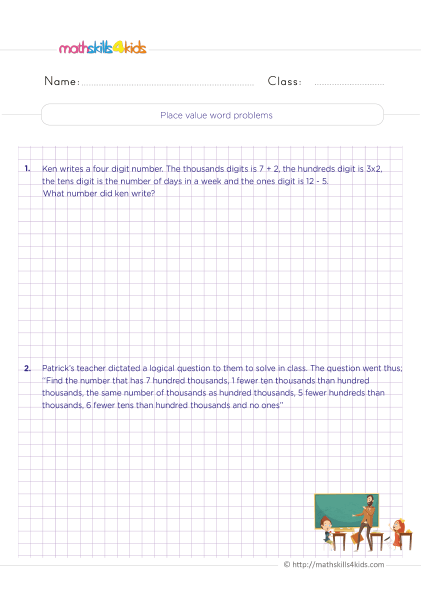
Solving place value word problems
Example: Harry writes a four-digit number. The thousands digits are 7 + 2, the hundreds digit is 3 x 2, the tens digit is the number of days a week, and the ones digit is 12 - 5. What number did Harry write?
Solution: The thousands digit is 7 + 2 = 9. The hundreds digit is 3 x 2 = 6. The tens digit is the number of days in a week = 7. The ones digit is 12 - 5 = 7. So the number that Harry wrote is 9677.
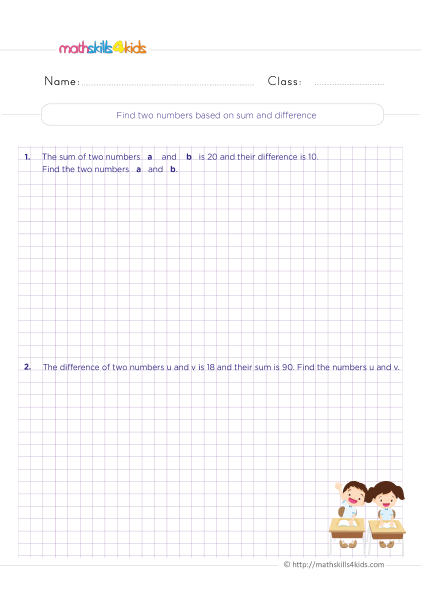
Find two numbers based on sum and difference
Example: The sum of two numbers, A and B, is 20, and their difference is 10. Find the two numbers, A and B.
Solution: Let A be the larger number and B be the smaller number. Then we have:
A + B = 20
A - B = 10
Adding these two equations, we get:
2A = 30, so A = 15.
Substituting A = 15 into one of the equations, we get:
15 + B = 20, so B = 5.
So the two numbers are A = 15 and B = 5.
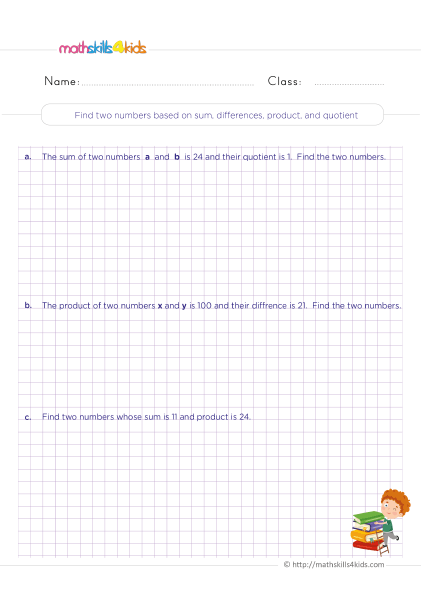
Find two numbers based on sum, differences, product, and quotient
Example: Find two numbers whose sum is 11 and whose product is 24.
Solution: Let the two numbers be x and y. Then we have:
x + y = 11
xy = 24
First, we must think of pairs of numbers whose sums give 11. We get:
10 + 1 = 11; 9 + 2 = 11 ; 8 + 3 = 11 ; 7 + 4 = 11 ; 6 + 5 = 11
Now, we must find above the pair that the product gives 24.
We get:
10 x 1 = 10
9 x 2 = 18
8 x 3 = 24
7 x 4 = 28
6 x 5 = 30
So the two numbers are x = 8 and y = 3 or x = 3 and y = 8.
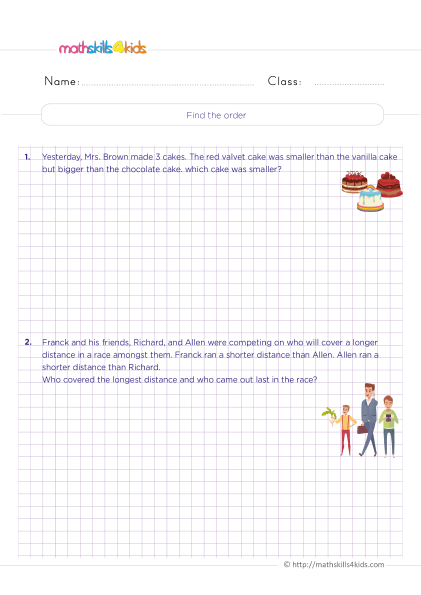
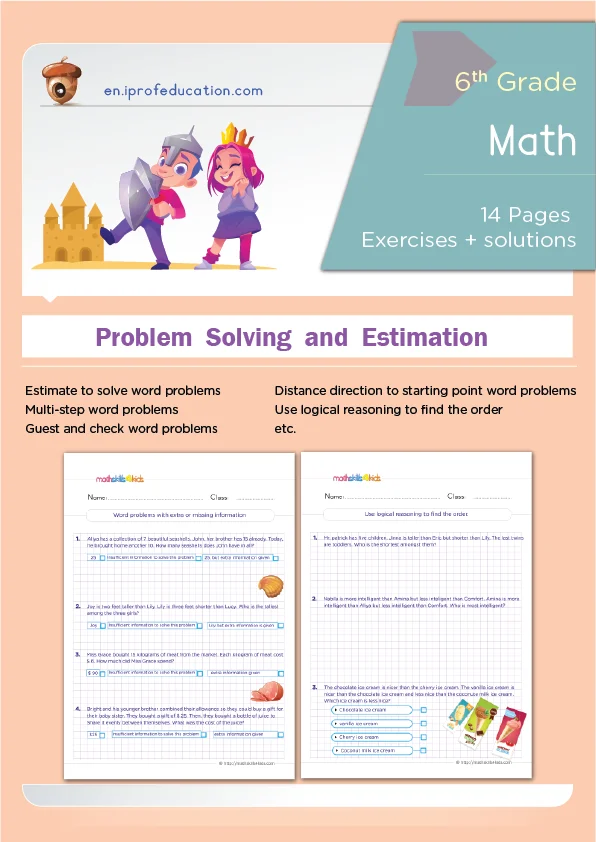
Find the order
Example: Yesterday, Mrs. Brown made 3 cakes. The red strawberry cake was smaller than the vanilla cake but bigger than the chocolate cake. Which cake was smaller?
Solution: The chocolate cake was smaller than the red strawberry and vanilla cakes. So the chocolate cake was the smallest.