How to put integers in order
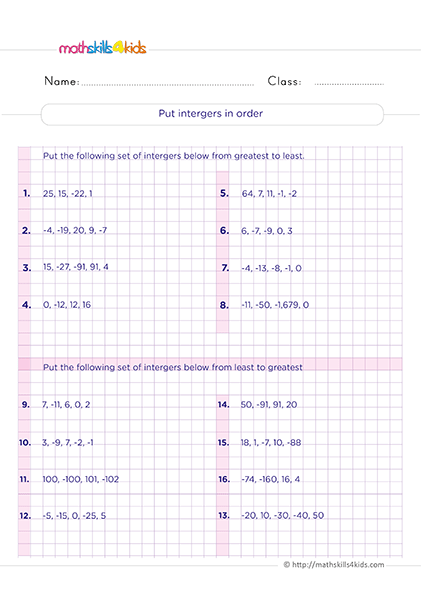
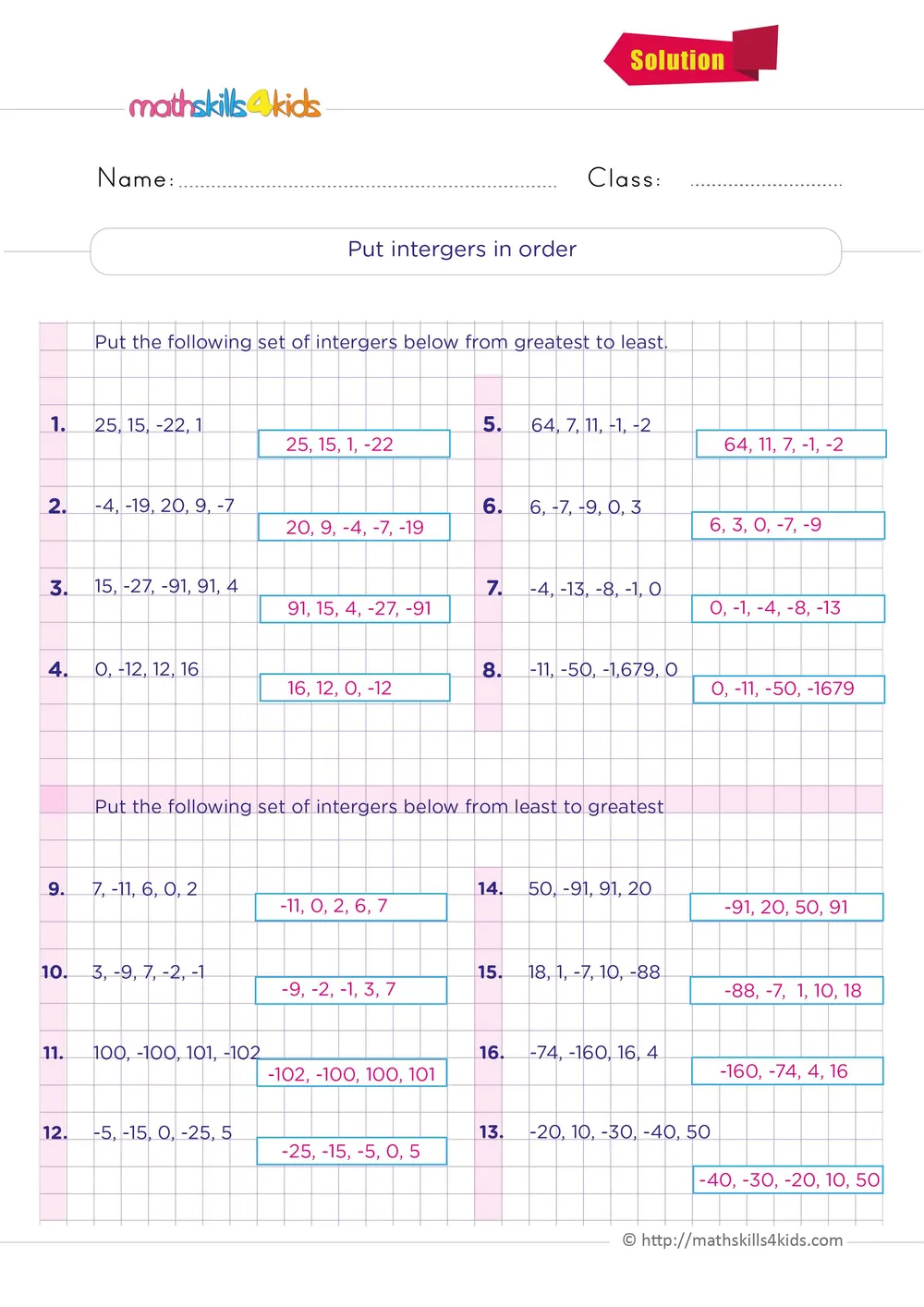
In a list like −11, −50, −1,679 and 0, the number with the most digits is the smallest of all. That paradox is the heart of this challenge. Your child sorts eight sets from greatest to least, then eight more for ordering integers from least to greatest, with lists that mix 100 and −102 or 50 and −91. A good strategy is to split each list at zero first. Page 2 holds the answers.
The longest number comes first
Ordering integers is comparing, repeated. With negatives, the farther a number is from zero, the smaller it is, so −1,679 comes before −50 when you go from least to greatest. The top half runs from greatest to least and the bottom half from least to greatest, which forces your child to read each instruction rather than run on autopilot.
Behind it sits 6.NS.C.7.a, where order means position on a number line, stretched here to lists of four and five numbers.
The last set is labeled 13 although it comes after 16; it is simply the eighth list of the second half.
Could you sort it in two passes?
Set 8 is a good place to start: −11, −50, −1,679 and 0. The quick win is zero, the greatest of the four. Then the negatives line up by distance, closest to zero first.
Expect a stumble in set 2, where a child going from greatest to least writes −19 before −7 because 19 looks bigger. Ask, "Which would be warmer as a temperature?"
Try saying, "Circle the negatives, then sort each group." Your child discovers that the two halves are mirror jobs. The answers on page 2 match every list on the sheet.
A ladder of numbers at home
Line up the week's forecast temperatures from coldest to warmest, then flip the order. During a match, a sports table with goal differences like −3, 0 and 5 makes a quick ordering game for the team in last place.
How Much Is a Million?, by David M. Schwartz, helps children feel how far apart big numbers are. Read it together, then ask how far −1,679 sits from 0.
Let the praise land on the process: "You split the list at zero, then sorted." Next, word problems use integers and absolute values with debts and changes.
About this 6th Grade integers worksheet
Download the worksheet: How to put integers in order
Download the PDF (opens in a new tab)Free · 2 pages · 732 KB · answer key included
🍪 Free worksheets are paid for by ads
To download for free, please accept cookies, or go Premium for an ad-free experience.
A few related activities
Integers and absolute values
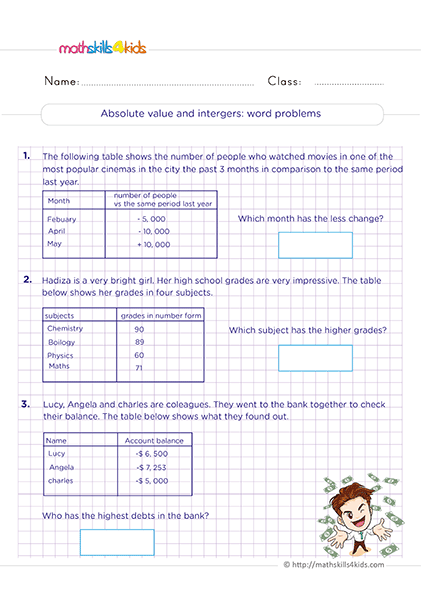
Printable PDF: 6th Grade integers practice, 2 pages, answer key included.
See the activity: Integers and absolute valuesUnderstanding integers
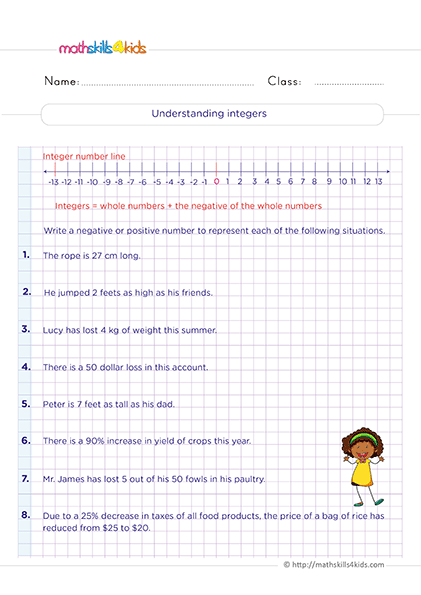
Printable PDF: 6th Grade integers practice, 2 pages, answer key included.
See the activity: Understanding integersWhat is absolute value
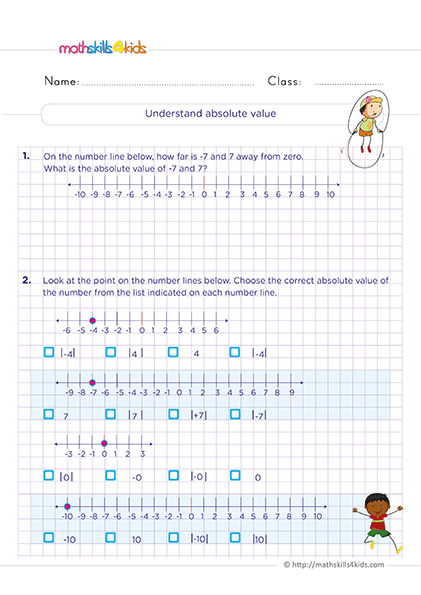
Printable PDF: 6th Grade integers practice, 2 pages, answer key included.
See the activity: What is absolute valueAbsolute value and opposite integers
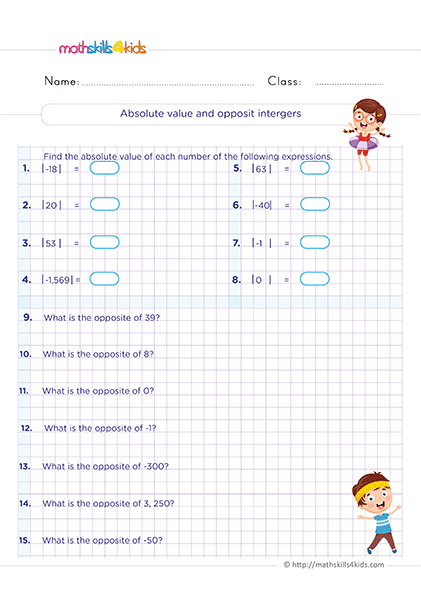
Printable PDF: 6th Grade integers practice, 2 pages, answer key included.
See the activity: Absolute value and opposite integersHow to compare integers
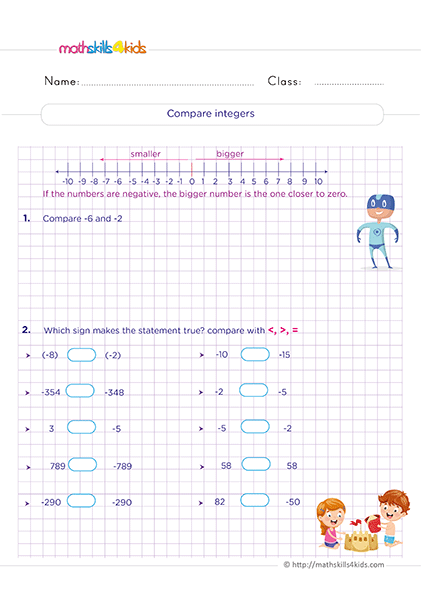
Printable PDF: 6th Grade integers practice, 2 pages, answer key included.
See the activity: How to compare integersThe place value of digits in whole numbers
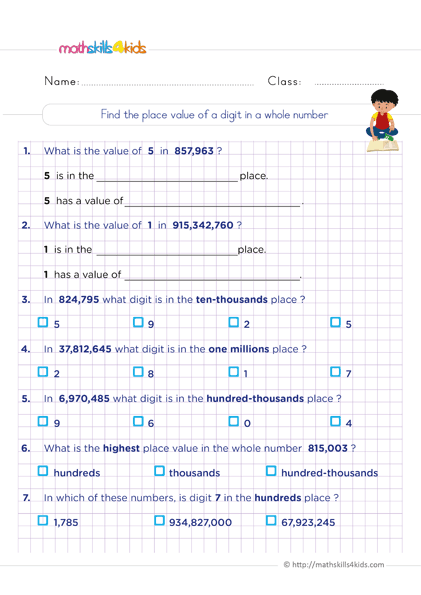
Printable PDF: 6th Grade whole numbers practice, 2 pages, answer key included.
See the activity: The place value of digits in whole numbers