Adding and subtracting fractions with same denominator
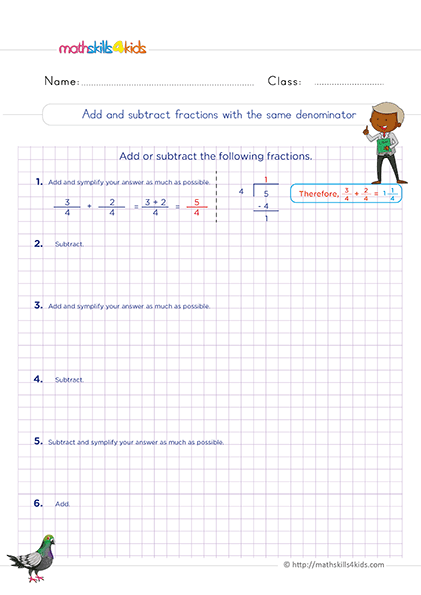
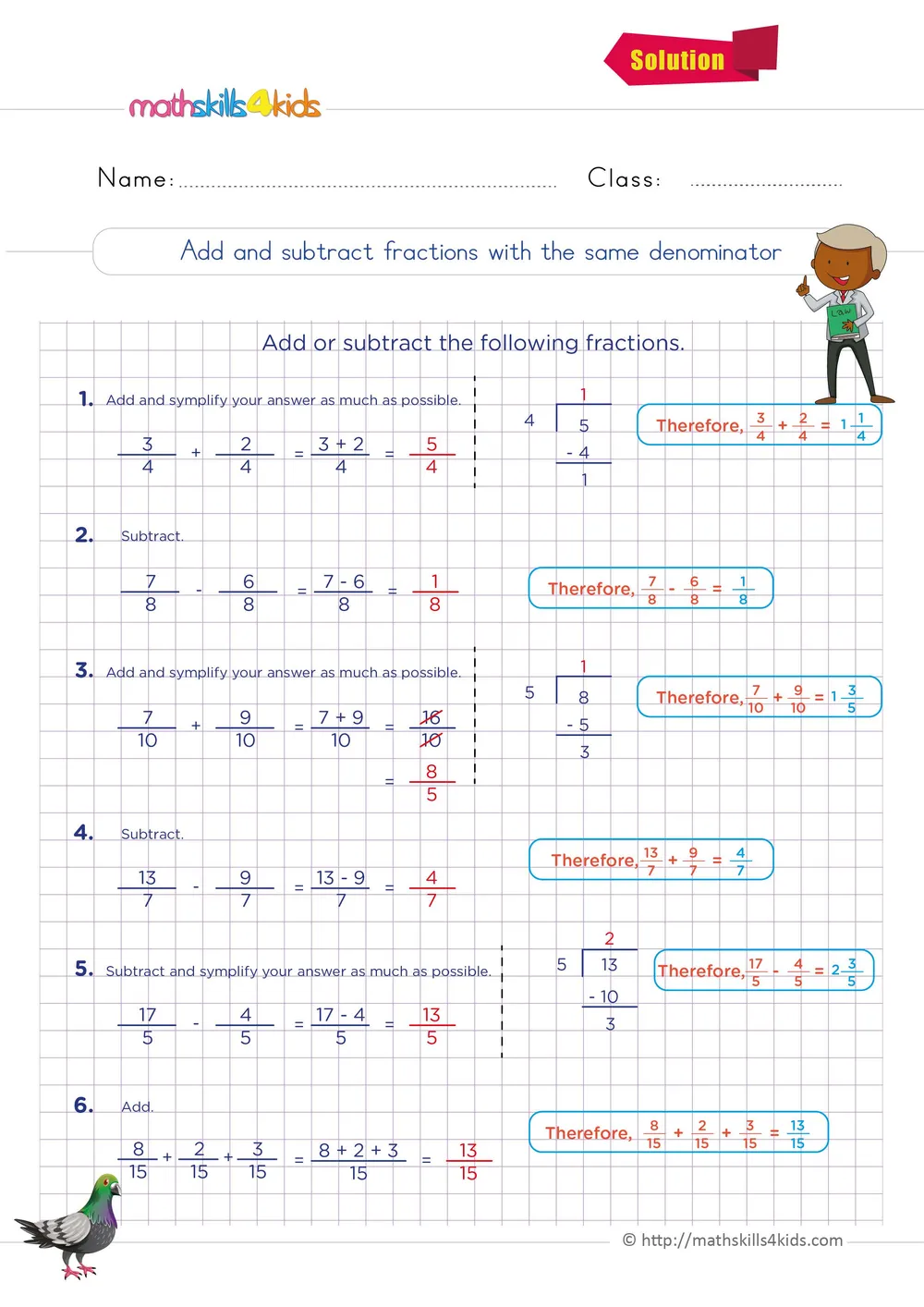
Seven eighths take away six eighths leaves one eighth, and the slices never stop being eighths. That observation carries this page, where your child practices adding and subtracting fractions with like denominators and then simplifies answers such as 16/10 into 8/5, or 1 3/5. Six problems mix sums and differences, the first fully worked. Page 2 is the answer key, with each improper fraction turned into a mixed number by long division.
Why the bottom number stays put
When both fractions count the same size of piece, adding them is just counting pieces. Three fourths and two fourths make five fourths, the way three apples and two apples make five apples. The denominator names the piece, so it does not get added.
What the page adds is the second step. Problem 1 shows 5/4 becoming 1 1/4 by a short long division, and problems 3 and 5 ask for the same move after simplifying, so 16/10 becomes 8/5 and then 1 3/5.
The standard is 4.NF.B.3.a, joining and separating parts of the same whole, a Grade 4 idea that 6th graders revisit here before unlike denominators.
A blank page with the answers on the back?
Before you hand the sheet over, look at page 1. Only problem 1 shows its fractions; problems 2 to 6 print the instruction and nothing else. The fractions for those five appear only on the answer page, so copy them onto page 1 yourself and keep page 2 folded away.
At the table, watch problem 3. Most slips here come from adding tops and bottoms: 7/10 + 9/10 written as 16/20. Ask, "If you add tenths to tenths, what size are the pieces?" Your child usually catches it alone.
A note for parents on problem 4: the answer box prints a plus sign, yet the work above it is 13/7 - 9/7 = 4/7, which is right.
Pizza night counts in eighths
Cut the next pizza into eight slices and keep score as it disappears. "We had 8/8 and someone ate 3/8. What is left?" The answer stays in eighths, which is the whole point of this page.
In the kitchen, a measuring cup marked in fourths does the same job: pour 3/4 cup, add 2/4 more, and let your child explain why one cup is not enough.
Full House: An Invitation to Fractions by Dayle Ann Dodds follows one cake shared among the guests of an inn, slice by slice, a gentle story about parts of the same whole.
Name the effort you saw: "You kept the denominator and counted the pieces." Next in the series: adding and subtracting fractions with unlike denominators.
About this 6th Grade add & subtract fractions worksheet
Download the worksheet: Adding and subtracting fractions with same denominator
Download the PDF (opens in a new tab)Free · 2 pages · 745 KB · answer key included
🍪 Free worksheets are paid for by ads
To download for free, please accept cookies, or go Premium for an ad-free experience.
A few related activities
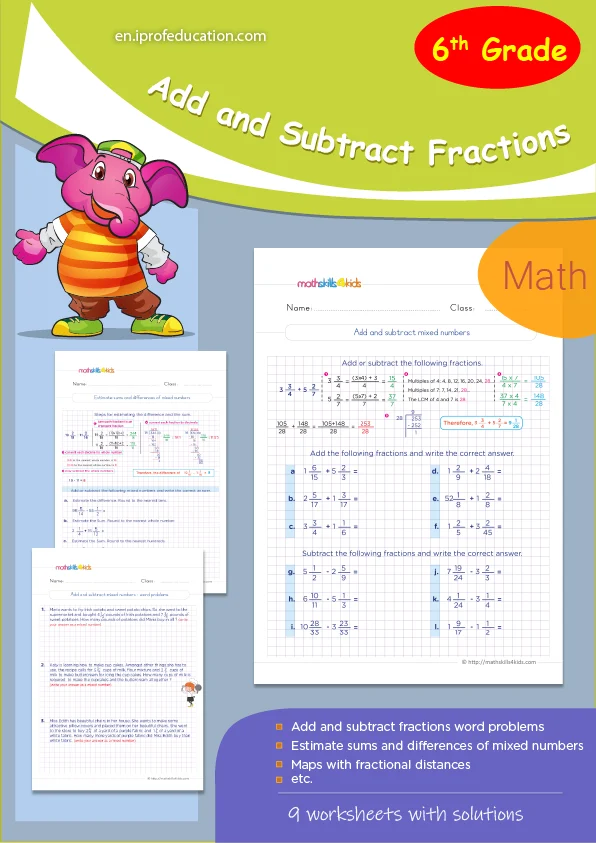
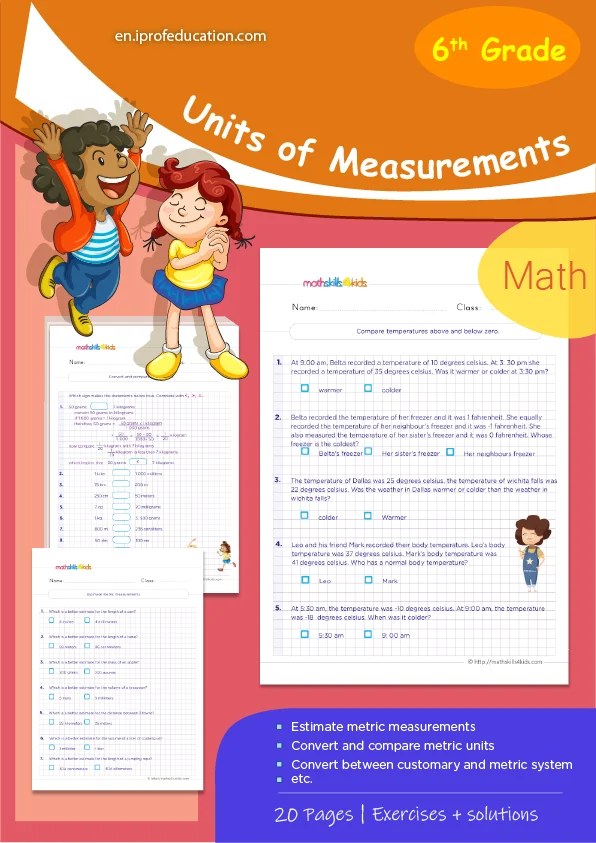
Add and subtract fractions with unlike denominators
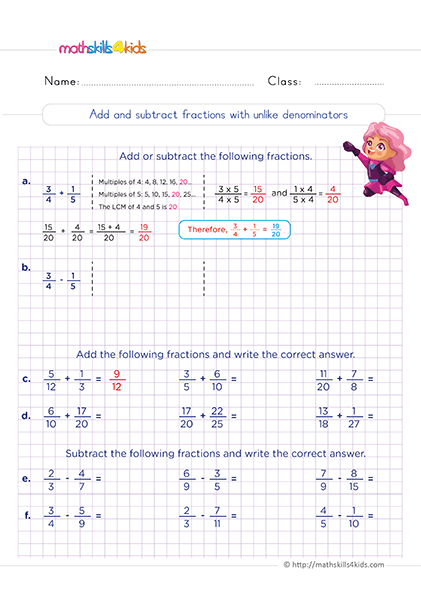
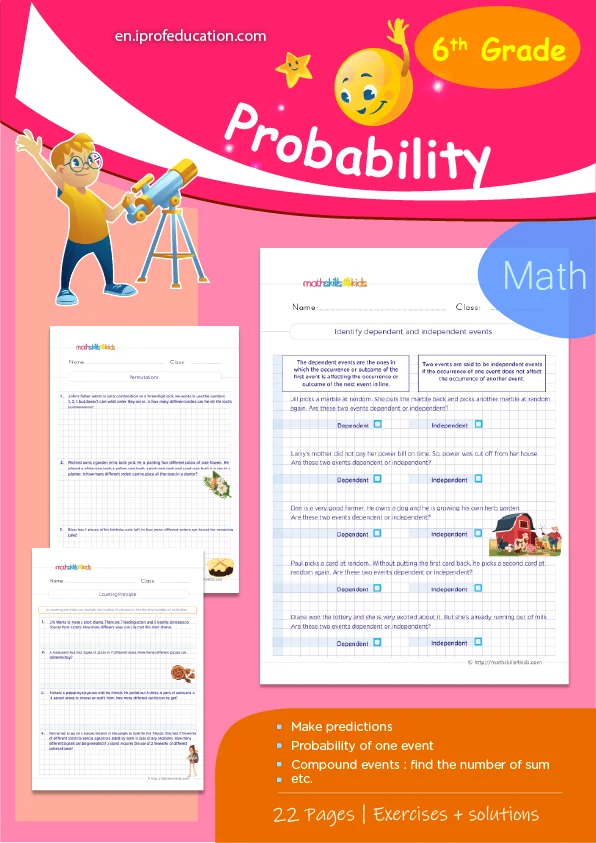
Printable PDF: 6th Grade add & subtract fractions practice, 2 pages, answer key included.
See the activity: Add and subtract fractions with unlike denominatorsAdding and subtracting unlike fractions word problems
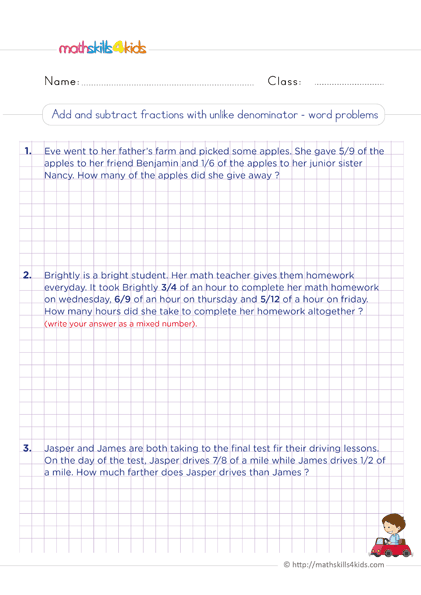
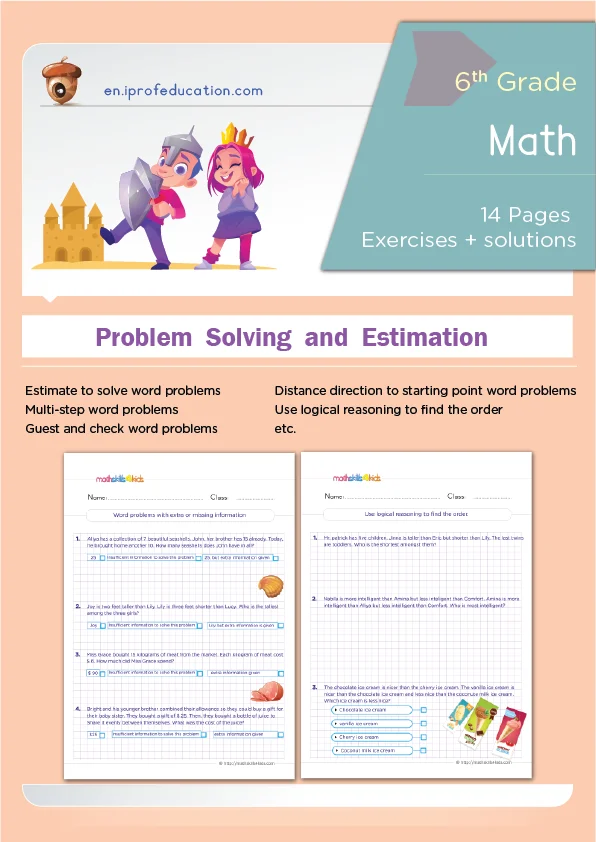
Printable PDF: 6th Grade add & subtract fractions practice, 2 pages, answer key included.
See the activity: Adding and subtracting unlike fractions word problemsAdding and subtracting mixed numbers
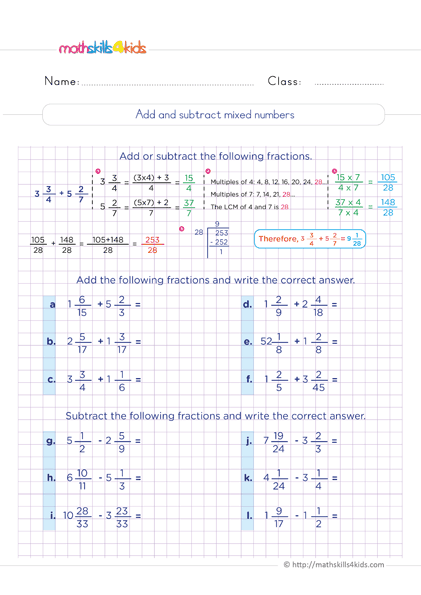
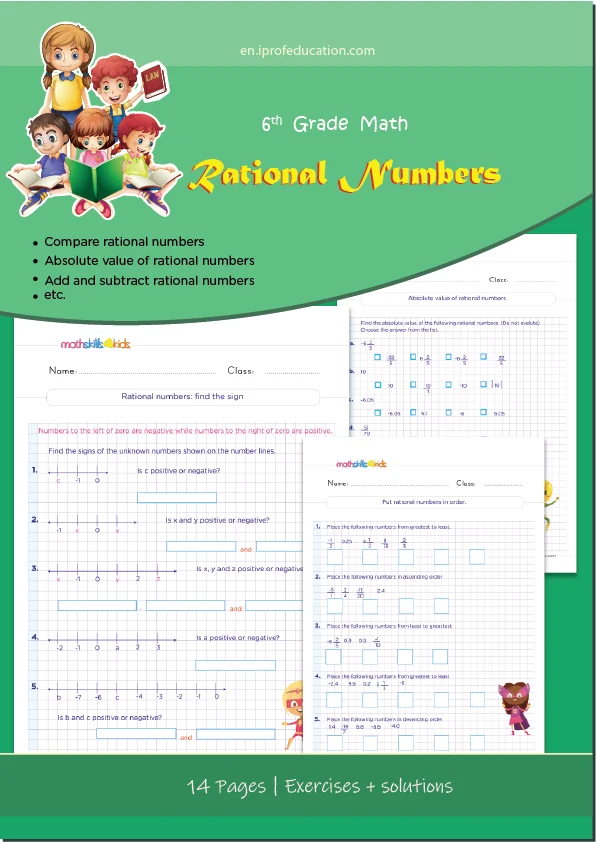
Printable PDF: 6th Grade add & subtract fractions practice, 2 pages, answer key included.
See the activity: Adding and subtracting mixed numbersAdd and subtract mixed numbers word problems
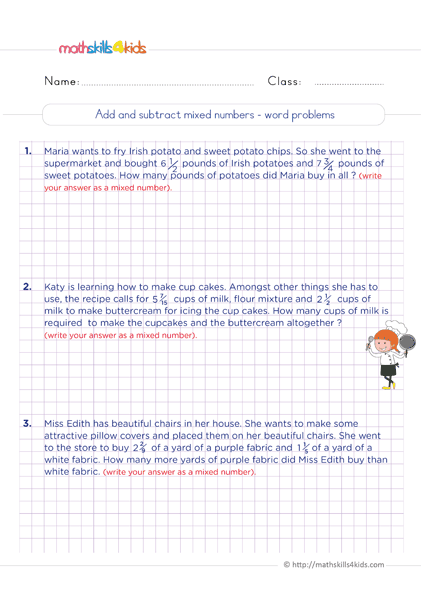
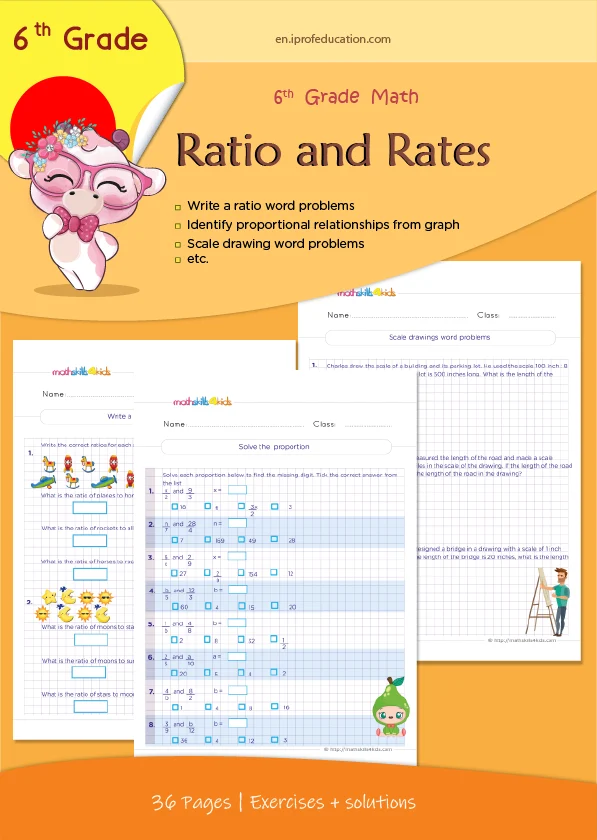
Printable PDF: 6th Grade add & subtract fractions practice, 2 pages, answer key included.
See the activity: Add and subtract mixed numbers word problemsHow to estimate sums and differences of mixed numbers
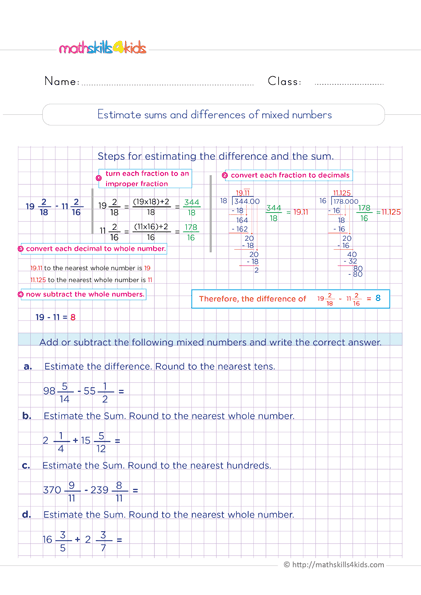
Printable PDF: 6th Grade add & subtract fractions practice, 2 pages, answer key included.
See the activity: How to estimate sums and differences of mixed numbersThe place value of digits in whole numbers
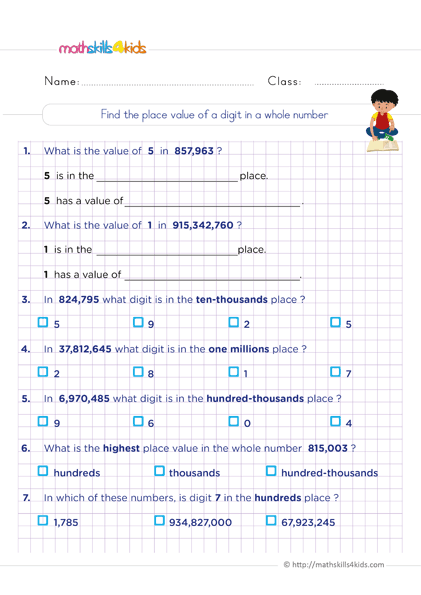
Printable PDF: 6th Grade whole numbers practice, 2 pages, answer key included.
See the activity: The place value of digits in whole numbers