How do you find the greatest common factor (GCF)
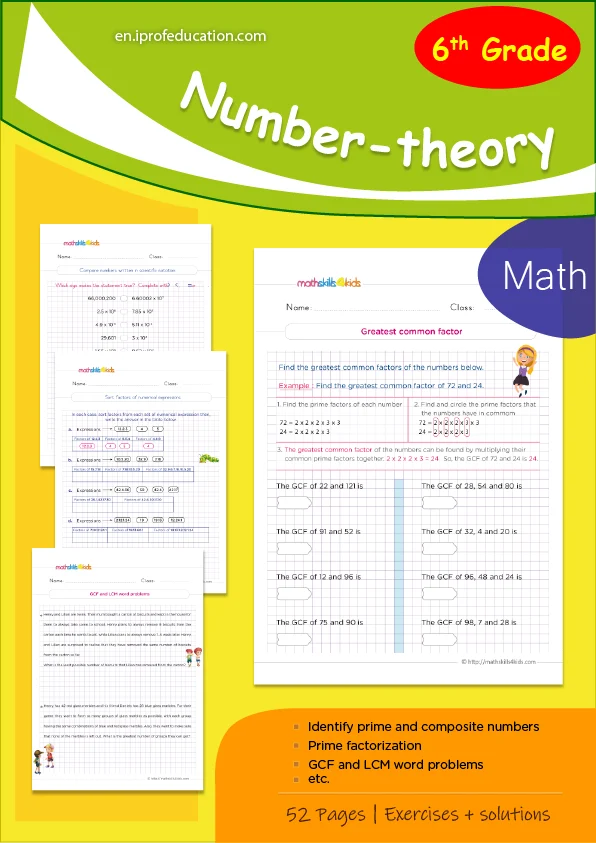
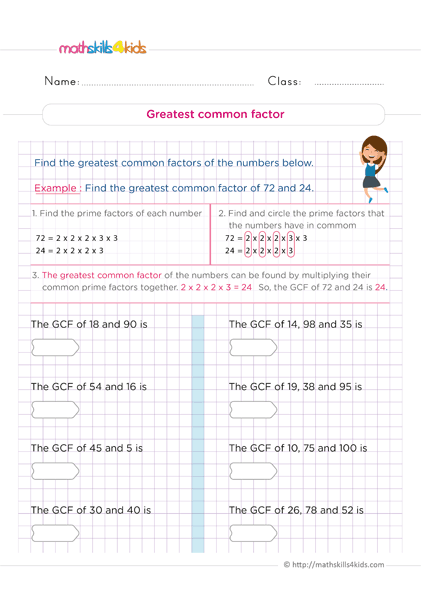
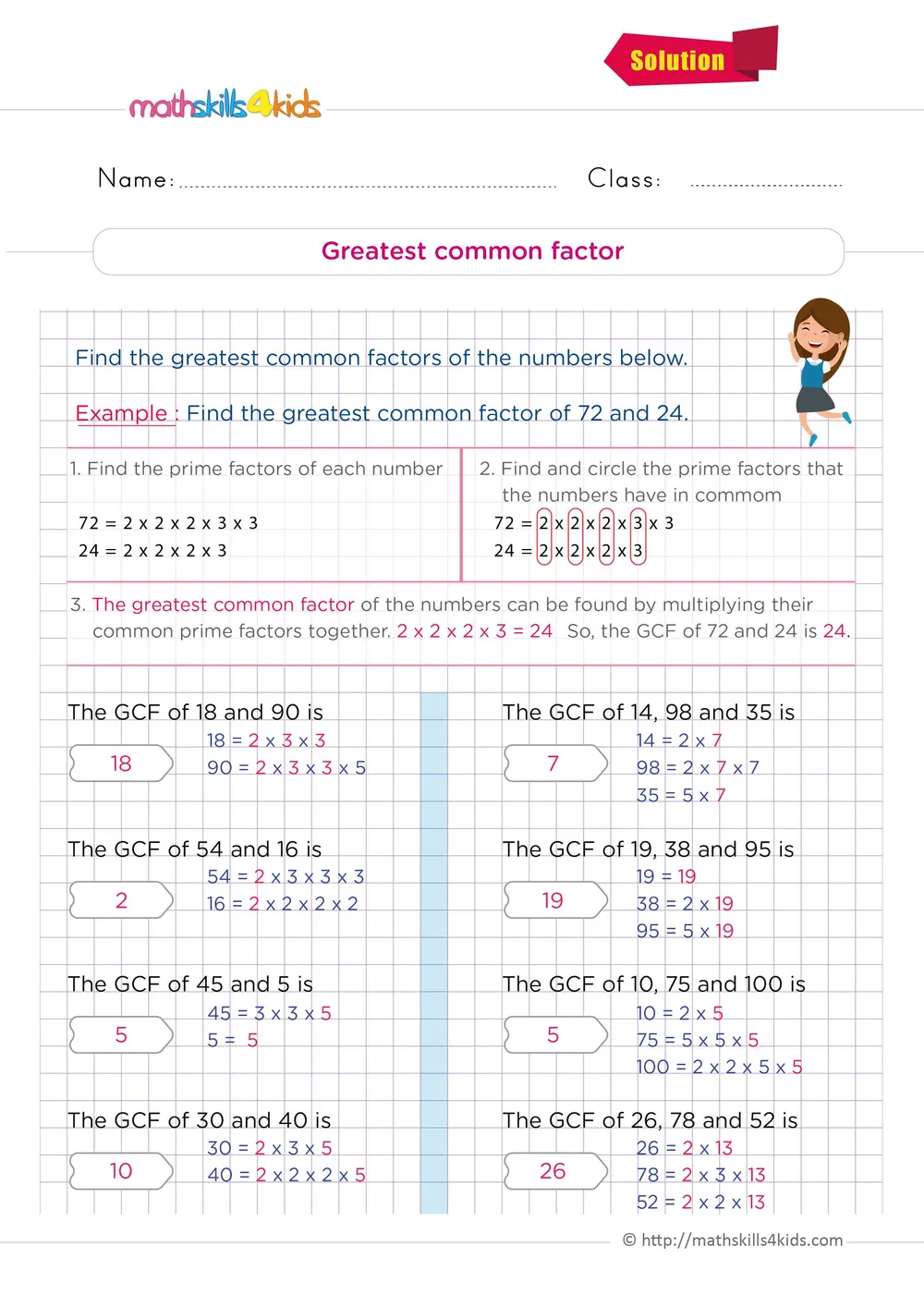
Anyone who has split snacks into identical party bags has met a greatest common factor without the name. With 18 granola bars and 90 grapes, how many matching bags can you fill? Here your child practices finding the greatest common factor with prime factors: break each number into primes, circle what they share, multiply. Eight questions follow, four with two numbers and four with three. Answers: 18, 2, 5, 10, 7, 19, 5 and 26.
Why primes beat guessing here
The greatest common factor is the largest number that divides every number in the group. Kids can often guess it for 30 and 40, but a guess breaks down on 14, 98 and 35. Prime factors make it mechanical: list the primes of each number, keep only the ones every list shares, and multiply them.
The example at the top shows the whole move on 72 and 24, with the shared 2, 2, 2 and 3 circled, giving 24. The right column raises the bar to the GCF of three numbers, a step past the two-number work of the Grade 6 standard.
That standard is 6.NS.B.4, common factors and multiples. The method also explains why 19, 38 and 95 have a GCF of 19: all three lists contain 19 and nothing else in common.
Which prime do they all share?
Begin with 18 and 90 and let your child write both prime lists: 2 x 3 x 3, and 2 x 3 x 3 x 5. Ask, "Which primes can you pair up?" Circling 2, 3 and 3 in both lists gives 18. Many kids expect the answer to be smaller than both numbers. Here it is one of them.
54 and 16 trips kids a different way. They share only one 2, so the GCF is 2, even though both numbers are fairly large. If your child writes 6, ask, "Is there a 3 in the list for 16?"
For 45 and 5, point out that 5 is prime, so the only question is whether 5 divides 45. It does, nine times.
Party bags, tiles and fair shares
Next time you pack lunch for a group, give your child two numbers: 24 crackers and 36 grapes. "How many identical bags with nothing left over?" The GCF is 12, so 12 bags, each with 2 crackers and 3 grapes.
The same idea lays out a garden bed or a floor with the biggest square tiles that fit both sides exactly.
For a book, The Grapes of Math by Greg Tang turns counting into riddles that reward grouping instead of counting one by one. It builds the same habit: look for the structure first.
Name what your child did: "You checked every list before you multiplied." Next in this series, the least common multiple sheet turns the question around, from the biggest shared factor to the smallest shared multiple.
About this 6th Grade number theory worksheet
Download the worksheet: How do you find the greatest common factor (GCF)
Download the PDF (opens in a new tab)Free · 2 pages · 839 KB · answer key included
🍪 Free worksheets are paid for by ads
To download for free, please accept cookies, or go Premium for an ad-free experience.
A few related activities
Least common multiple (LCM) - How to find it
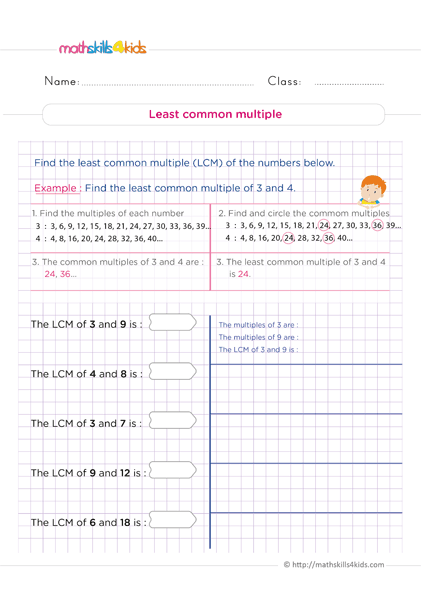
Printable PDF: 6th Grade number theory practice, 2 pages, answer key included.
See the activity: Least common multiple (LCM) - How to find itHow do you find the GCF and LCM in word problems
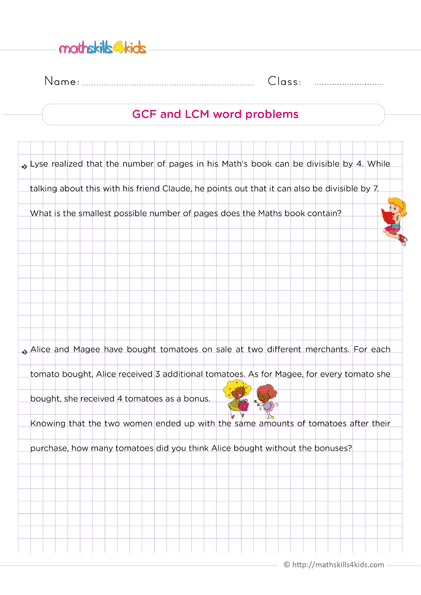
Printable PDF: 6th Grade number theory practice, 2 pages, answer key included.
See the activity: How do you find the GCF and LCM in word problemsDifference between whole numbers, rational numbers and integers
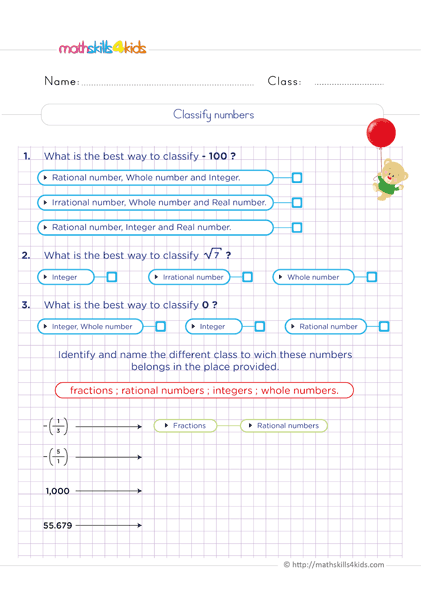
Printable PDF: 6th Grade number theory practice, 2 pages, answer key included.
See the activity: Difference between whole numbers, rational numbers and integersWhat are the prime and composite numbers from 1 to 100
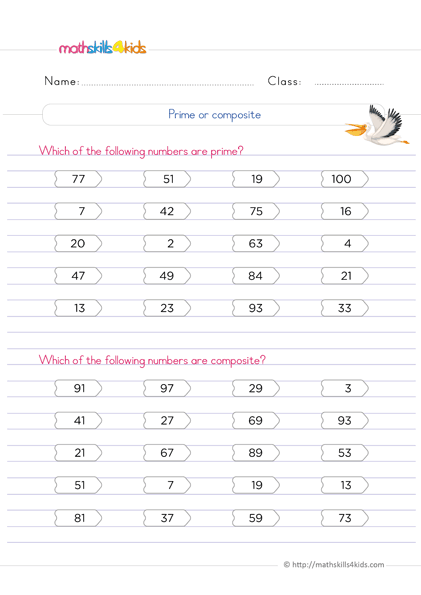
Printable PDF: 6th Grade number theory practice, 2 pages, answer key included.
See the activity: What are the prime and composite numbers from 1 to 100Understand how to write prime factorization with exponents
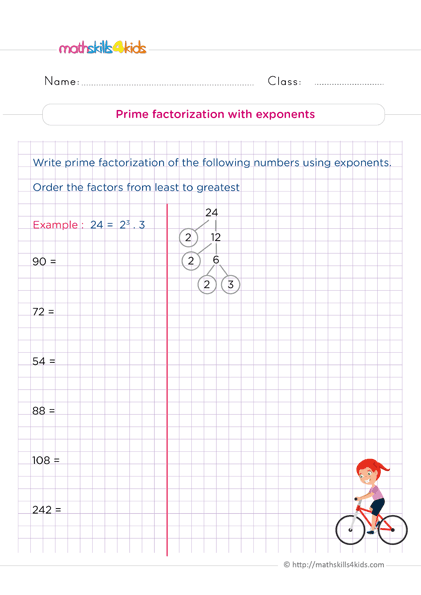
Printable PDF: 6th Grade number theory practice, 2 pages, answer key included.
See the activity: Understand how to write prime factorization with exponentsThe place value of digits in whole numbers
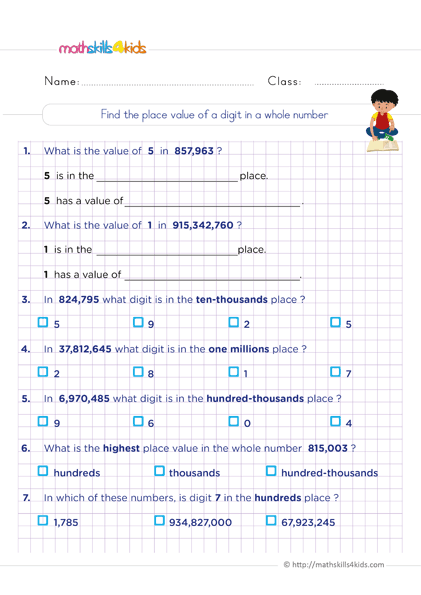
Printable PDF: 6th Grade whole numbers practice, 2 pages, answer key included.
See the activity: The place value of digits in whole numbers